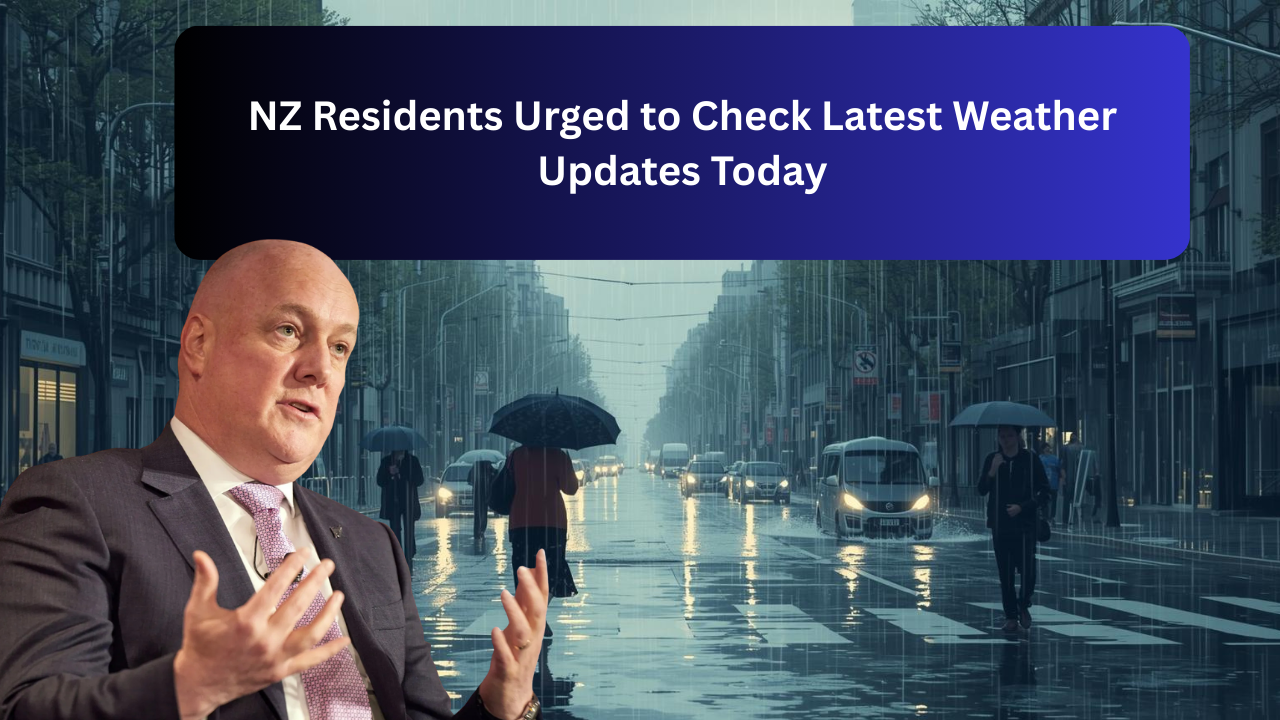
Across New Zealand, many residents are being urged to pause, look outside, and then double-check the latest weather updates before heading out today. Conditions have shifted rapidly in several regions, catching some people off guard and prompting warnings about sudden changes that could affect travel, outdoor plans, and daily routines.
For many households, weather alerts can feel routine — something glanced at and quickly forgotten. But recent patterns have shown that conditions can change within hours, turning an ordinary day into one that requires caution and preparation. Authorities are encouraging people not to rely on yesterday’s forecast, but to stay informed in real time.
Here’s why today’s weather updates matter, what’s driving the warnings, and how residents can protect themselves and their plans.

Why Weather Updates Are Being Emphasised Today
New Zealand’s weather is famously changeable, but today’s conditions are especially dynamic.
Meteorologists are tracking:
- Fast-moving weather systems
- Localised heavy rain and wind pockets
- Sudden temperature drops in some regions
- Coastal and alpine conditions changing quickly
These shifts mean conditions in the morning may not reflect what happens by afternoon or evening.

What’s Causing the Rapid Changes
The current situation is being driven by interacting weather systems moving across the country.
When these systems overlap, they can create:
- Sharp wind gusts
- Short bursts of intense rainfall
- Unpredictable conditions in exposed areas
Because of this, general forecasts can quickly become outdated.

Why Residents Are Being Urged to Actively Check Updates
Authorities aren’t just issuing forecasts — they’re urging action.
This is because:
- Conditions vary widely by region
- Localised warnings may not apply nationwide
- Travel safety can change within short distances
Relying on a single early forecast may not be enough to stay safe.

Regions Most Likely to Notice Sudden Changes
While weather impacts are not uniform, some areas are more vulnerable.
These include:
- Coastal regions exposed to strong winds
- Mountainous and alpine areas
- Regions prone to surface flooding
- Areas with recent heavy rainfall
Residents in these locations are being advised to be particularly alert.

Travel and Commuting Risks
One of the biggest concerns is travel.
Weather changes can quickly affect:
- Road visibility
- Driving conditions
- Ferry and flight schedules
- Rural and hillside routes
Drivers who set out in calm conditions may encounter very different conditions later in the journey.

Why Outdoor Plans May Need Adjusting
Outdoor activities are especially sensitive to fast-moving weather.
Events, work, and recreation may be affected by:
- Sudden rain showers
- Strong gusts making conditions unsafe
- Falling temperatures
Checking updates before and during activities can prevent unnecessary risk.

The Role of Forecast Services
Weather monitoring and alerts are coordinated by MetService, which provides real-time updates, warnings, and regional forecasts.
Officials stress that forecasts are updated frequently and that the most current information is the most reliable.
Why Some People Still Miss Important Updates
Despite warnings, many people still rely on habit.

Common reasons include:
- Checking the forecast only once in the morning
- Assuming conditions will remain stable
- Not enabling weather alerts
- Underestimating how quickly conditions can shift
This can lead to being caught unprepared.
Real Experiences From Residents
A South Island resident said they left home under clear skies and returned during heavy rain and strong winds. “If I’d checked again before heading back, I would’ve planned differently.”
Another commuter said road conditions worsened within an hour. “The forecast changed fast. I didn’t expect it.”
These experiences underline why ongoing checks matter.
Why This Matters for Vulnerable Groups
Some people face higher risks during sudden weather changes.
These include:
- Older residents
- People with mobility issues
- Those relying on public transport
- Outdoor workers
Being informed helps these groups make safer choices.
Power and Infrastructure Considerations
Rapid weather changes can affect:
- Power supply
- Mobile coverage in rural areas
- Access routes
Residents are encouraged to plan for short disruptions, especially in exposed locations.
What Residents Should Do Right Now
Practical steps include:
- Checking the latest regional forecast
- Monitoring updates throughout the day
- Adjusting travel plans if conditions worsen
- Securing outdoor items if wind is forecast
Small actions can prevent larger problems.
Why “Wait and See” Is Risky
Waiting until conditions are visibly bad can be too late.
Weather systems can:
- Intensify quickly
- Reduce reaction time
- Create unsafe conditions unexpectedly
Proactive checking is safer than reactive decisions.
How Often Forecasts Are Updated
Forecasts are not static.
They are updated:
- Multiple times daily
- As new data becomes available
- When conditions shift unexpectedly
This means yesterday’s forecast may no longer apply today.
What This Means for the Rest of the Day
While not everyone will experience severe conditions, uncertainty is higher than usual.
Residents should expect:
- Variability by location
- Conditions changing faster than normal
- Alerts that may be issued or updated
Staying informed is the best response.
What You Should Keep in Mind
Weather awareness is not about fear — it’s about preparation.
By checking updates regularly, residents can:
- Avoid unnecessary risk
- Protect property
- Make better decisions
Information is the simplest form of safety.
Questions and Answers About Today’s Weather Updates
Why are residents being urged to check updates today?
Because conditions are changing rapidly in some areas.
Is this a nationwide issue?
No, impacts vary by region.
How often should I check the forecast?
More than once, especially if traveling or outdoors.
Who provides official weather updates?
MetService.
Can conditions change within hours?
Yes, especially with fast-moving systems.
Are travel plans likely to be affected?
They may be, depending on location.
Should outdoor activities be postponed?
Only if conditions worsen — keep checking updates.
Why do forecasts change?
New data can alter predictions.
Are warnings always issued early?
Sometimes conditions develop quickly.
Who should be most cautious?
Drivers, outdoor workers, and vulnerable residents.
Does this mean severe weather everywhere?
No, but uncertainty is higher.
What’s the safest approach today?
Stay informed and flexible.
Will conditions improve later?
It depends on the region.
What’s the main takeaway?
Check the latest weather updates — and check again.










Leave a Comment