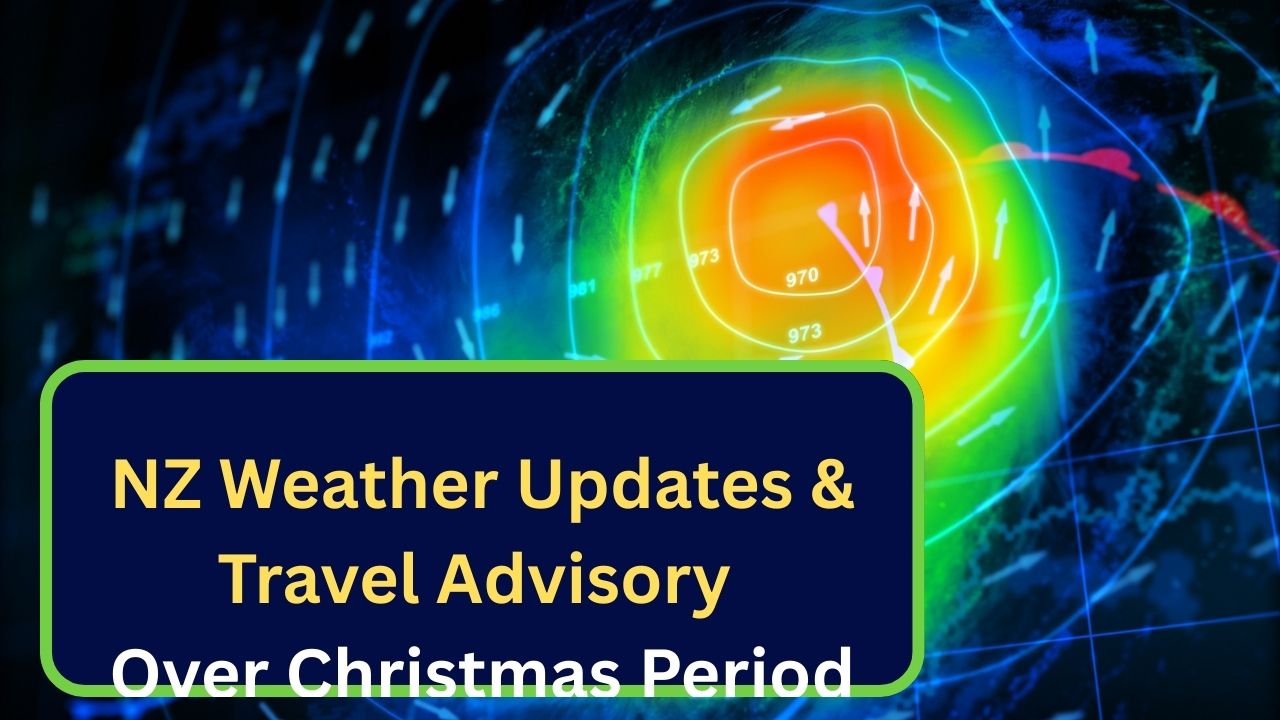
As thousands of New Zealanders prepare to hit the road, board flights, or head away for Christmas, weather conditions are emerging as a major factor shaping travel plans this year. Forecasters and emergency officials are urging travellers to stay alert, flexible, and prepared as changeable weather patterns settle in across the country during the peak holiday period.
From heavy rain in some regions to strong winds and unsettled conditions in others, the message from authorities is clear: check before you travel, and be ready to adjust plans.
Here’s the latest weather outlook, what it means for Christmas travel, and how to stay safe on the move.

Current Weather Outlook Across New Zealand
Weather agencies say conditions over the Christmas period will be mixed rather than settled, with regional differences playing a big role.
According to updates from the MetService, New Zealanders can expect:
- Periods of heavy rain in some North Island and upper South Island regions
- Strong winds in exposed coastal and alpine areas
- Short windows of fine weather between fronts
- Increased risk of slips and surface flooding where ground is already saturated
While not all areas will be affected at once, fast-moving systems mean conditions can change quickly.

A MetService forecaster said, “This isn’t a washout everywhere, but it is a period where people need to stay weather-aware.”
Why Christmas Travel Is More Vulnerable to Weather
The Christmas period is already one of the busiest travel times of the year. When weather disruptions are added, risks increase.
Key factors include:

- High traffic volumes on state highways
- Long-distance driving leading to fatigue
- More people travelling on unfamiliar roads
- Popular holiday routes passing through weather-prone areas
- Pressure to “push through” bad conditions to reach destinations
Even moderate weather can cause major delays when roads and transport networks are under strain.
Regions to Watch Closely
While forecasts will continue to evolve, officials are advising extra caution in:
- Flood-prone and low-lying areas
- Regions with recent heavy rainfall
- Coastal routes exposed to strong winds
- Mountain passes and alpine roads
- Rural roads susceptible to slips
Localised downpours can cause issues even when nearby areas remain dry.

Impact on Roads and Driving Conditions
Transport agencies warn that weather-related hazards are one of the leading causes of holiday crashes.
Drivers may encounter:
- Surface flooding and water across roads
- Reduced visibility during heavy rain
- Slips or fallen debris
- Strong crosswinds affecting high-sided vehicles
- Temporary road closures or traffic management
Authorities are urging drivers to slow down, increase following distances, and avoid driving through floodwater.

Flights, Ferries, and Public Transport
Air and sea travel may also be affected at times.
Travellers should be prepared for:
- Flight delays or cancellations due to wind or low visibility
- Ferry schedule changes during rough seas
- Disruptions to regional services
Airports and transport operators recommend checking travel updates frequently, especially on the day of departure.

Emergency Management Advice
The National Emergency Management Agency is reminding travellers that weather alerts and advisories may be issued with little notice.
Officials advise:
- Paying attention to emergency alerts on mobile phones
- Following instructions from local authorities
- Avoiding unnecessary travel during severe conditions
- Having a backup plan if routes are closed
Even when travelling for holidays, safety guidance still applies.


Real-Life Experience: Delays Add Up Fast
Last Christmas, several families heading away reported hours-long delays due to weather-related road closures.
“We left early thinking we’d beat it,” one traveller said. “Instead, we sat in traffic for most of the day because of slips ahead.”
Officials say planning extra time and flexibility can reduce stress significantly.

What Travellers Should Do Before Setting Off
Authorities recommend a simple checklist for holiday travellers:
- Check the latest weather forecast for your route and destination
- Monitor road conditions and closure updates
- Allow extra travel time — don’t rush
- Pack essentials, including water, food, and warm clothing
- Ensure your vehicle is roadworthy
- Let someone know your travel plans, especially for longer trips
Being prepared can turn a disruption into an inconvenience rather than a crisis.
What to Do If Conditions Change Mid-Trip
If weather deteriorates while travelling:
- Slow down and adjust driving to conditions
- Pull over safely if visibility becomes poor
- Avoid floodwater — it can be deeper than it looks
- Follow official detours and instructions
- Be prepared to stop and wait if roads are closed
Officials stress that no destination is worth risking safety.
Why Flexibility Matters This Christmas
Forecasters say the biggest challenge this holiday period isn’t extreme weather everywhere — it’s unpredictability.
Short fine spells may be followed by sudden rain or wind, catching unprepared travellers off guard.
A transport safety adviser noted, “The people who cope best are the ones who build flexibility into their plans.”
Q&A: NZ Christmas Weather & Travel Advisory
1. Is Christmas travel being discouraged?
No, but caution and preparation are strongly advised.
2. Will all regions be affected?
No. Impacts will be regional and changeable.
3. Should I delay travel if weather looks bad?
Yes, if conditions are unsafe.
4. Are road closures likely?
Possible in areas with heavy rain or slips.
5. Will flights be cancelled?
Delays or cancellations are possible in bad conditions.
6. Should I rely on morning forecasts only?
No. Conditions can change throughout the day.
7. Are emergency alerts important?
Yes. Always read and follow them.
8. Is floodwater safe to drive through?
No. Never attempt it.
9. Should I pack extra supplies?
Yes, especially for long drives.
10. What’s the best approach overall?
Plan ahead and stay flexible.
What This Means for the Christmas Period
New Zealanders can still enjoy the holiday break — but doing so safely means paying attention to weather updates and adjusting plans when needed.
With roads busy and conditions variable, preparation, patience, and flexibility will make the biggest difference.
As officials continue to remind travellers: arriving late is far better than not arriving at all.












Leave a Comment